Start
Onboarding connects students to the expectations, tools, schedules, requirements, and resources attached to their program.
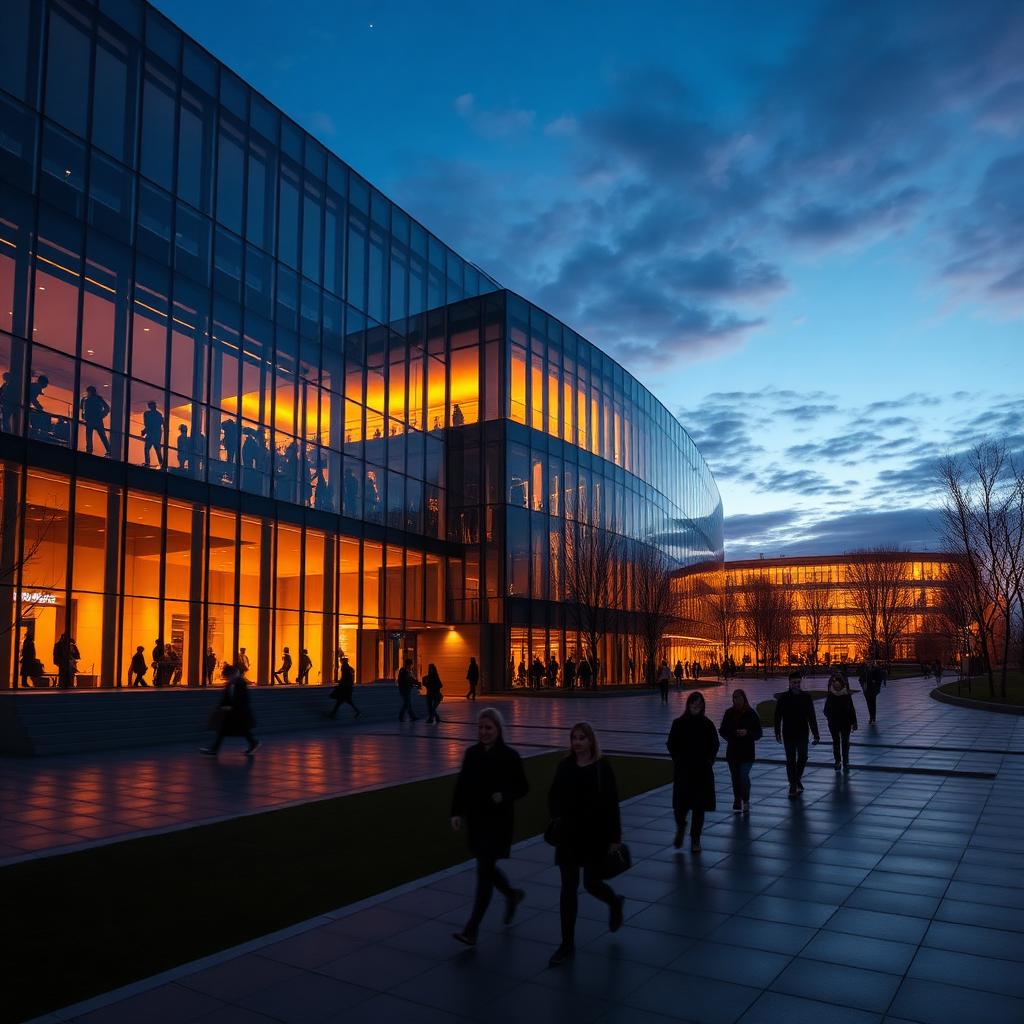
SJIT students arrive with different academic histories, professional goals, locations, and levels of technical experience. The student experience is designed to connect those different starting points to serious academic work and continued progression.
SJIT was built digital-first, so its student experience does not begin with assumptions about dormitories, dining halls, or a single physical campus. It begins with academic access: what students can learn, build, investigate, discuss, and connect to regardless of where they are located.
That creates a different kind of institutional life—one centered on programs, technical communities, mentoring, research, live academic interaction, external learning opportunities, and the continuing relationship between students, faculty, and alumni.
Onboarding connects students to the expectations, tools, schedules, requirements, and resources attached to their program.
Coursework may combine readings, technical lessons, assessments, guided exercises, projects, challenges, and independent study.
Live classes, mentoring, office hours, academic discussions, events, and peer interaction add human continuity to digital learning.
Applied work turns concepts into artifacts: technical exercises, research, prototypes, security challenges, analysis, and project-based learning.
Milestones, feedback, academic records, and completion requirements make progression visible throughout the student journey.
Integrated Programs, research, alumni relationships, professional development, and new academic opportunities extend the experience beyond one course.
SJIT can play a different role for students at different points in their academic and professional development.
Ana studies computing at her home university and uses SJIT to build a more specialized path in information security. Her week combines asynchronous coursework, a live mentoring session, and a technical project she can connect back to her university studies.
Lucas entered technology recently and wants structured practical development rather than disconnected tutorials. He uses a long-form mentoring experience to build technical depth, document progress, and work through progressively harder security problems.
Marina already works in technology and studies selectively. She combines specialized SJIT learning with research discussions and external university opportunities, using the institution less as a first step and more as an academic platform for continued technical development.
Participate in technical investigation, project work, experimentation, and research discussions across emerging fields.
Extend the curriculum through selected external university learning opportunities supported through SJIT.
Engage with the coordinators shaping the academic direction of the Colleges and their developing fields.
Continue the relationship through professional pathways, stories, mentoring, talent discovery, and future collaboration.
Coursework, progress, live experiences, documents, and the connected digital environment behind the SJIT experience.
Program starts, admissions milestones, live academic events, institutional dates, and upcoming activity.
Review current SJIT offerings, formats, program models, and detailed academic information.
Explore current research areas and projects, including opportunities for students to participate in technical inquiry.
Discover selected external university learning opportunities supported through the SJIT academic experience.
See how the SJIT relationship continues through stories, professional pathways, and the wider community.